In the world of digital assets, security isn’t optional—it’s essential. Whether you’re holding Bitcoin, Ethereum, NFTs, or a wide range of altcoins, protecting your crypto from hacks, phishing, and human error should be your top priority. That’s where Ledger hardware wallets come in. If you’ve landed on ledger.com/start, you’re taking the right first step toward full ownership and protection of your crypto.
This guide walks you through what Ledger is, why it matters, and how to get started safely and confidently.
Ledger is a leading provider of hardware wallets designed to secure private keys offline. Unlike software wallets or exchanges, which remain connected to the internet, Ledger wallets store your private keys in a Secure Element chip, similar to the technology used in passports and credit cards. This means your crypto stays protected even if your computer or smartphone is compromised.
Ledger devices work alongside Ledger Live, an official app that lets you manage, buy, sell, stake, and track your crypto assets—all while keeping your private keys offline.
When you keep crypto on an exchange, you don’t truly own it—the exchange does. Your assets are vulnerable to exchange hacks, frozen accounts, or platform shutdowns. With Ledger:
The popular saying applies here: “Not your keys, not your crypto.”
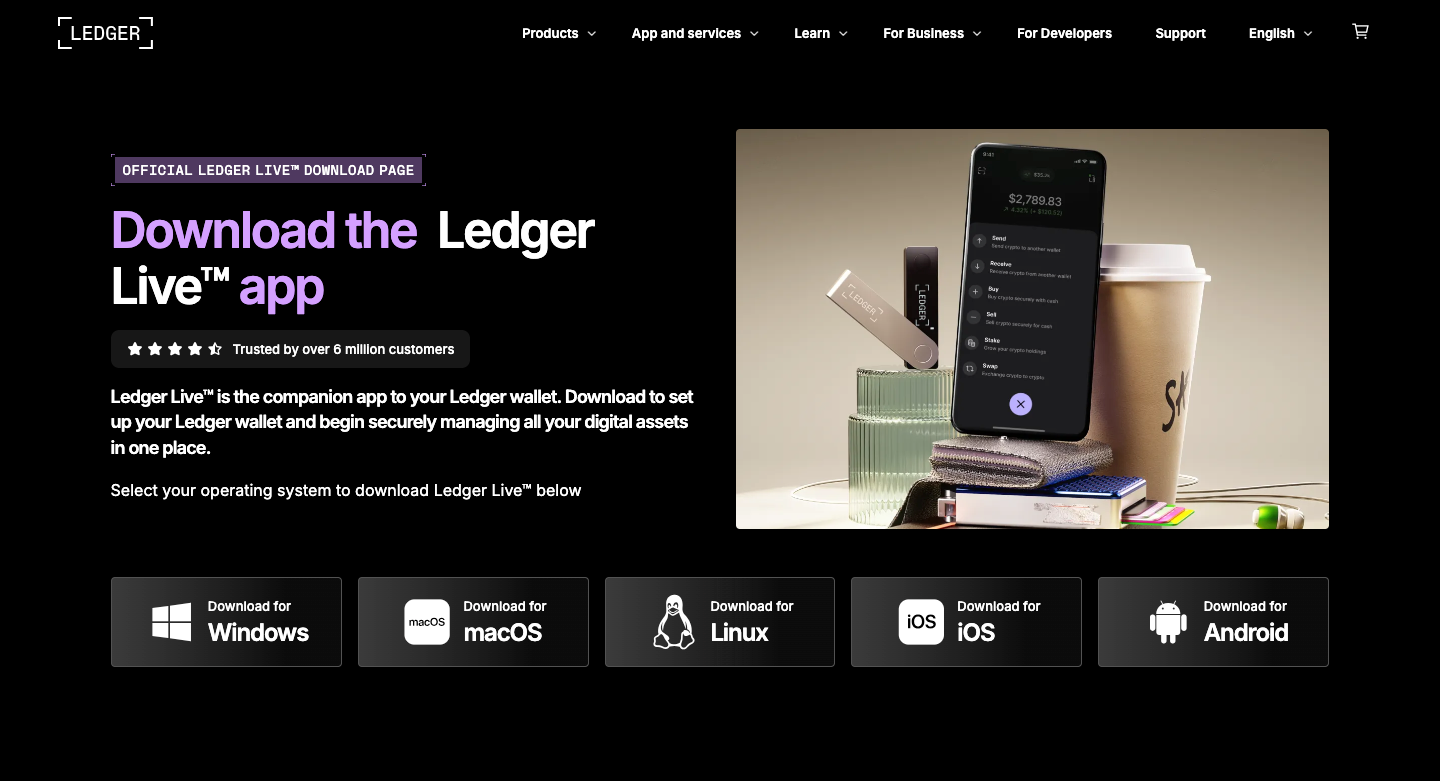
To ensure your device is genuine and set up correctly, always begin at ledger.com/start. This is the only trusted source for installing Ledger Live and initializing your wallet.
Ledger offers several models, including Ledger Nano S Plus and Ledger Nano X. Each provides industry-leading security, with differences in storage capacity and connectivity (USB or Bluetooth).
From ledger.com/start, download Ledger Live for your operating system (Windows, macOS, Linux, Android, or iOS). This app is your control center for managing crypto securely.
When you power on your Ledger for the first time, you’ll be prompted to:
This recovery phrase is the only backup to your wallet. Write it down on paper and store it somewhere safe and offline. Never take photos of it, never upload it online, and never share it with anyone—Ledger will never ask for it.
Your 24-word recovery phrase is more important than the device itself. If your Ledger is lost, stolen, or damaged, this phrase allows you to recover your funds on a new device. If someone else gets access to it, they can take your crypto.
Key rules to remember:
Treat it like the keys to a vault.
Once your device is set up, Ledger Live lets you install apps for individual cryptocurrencies and create accounts. You can:
All transactions must be physically confirmed on your Ledger device, protecting you from remote attacks.
As crypto adoption grows, so do scams. Ledger users are often targeted by phishing emails, fake apps, and counterfeit websites. Protect yourself by following these best practices:
Ledger’s security model ensures your private keys never leave the device—but awareness is still critical.
Using Ledger means choosing self-custody, independence, and top-tier security. It may feel like an extra step compared to keeping funds on an exchange, but that extra step is what protects your assets long term.
If you’re serious about crypto, starting at ledger.com/start is one of the smartest moves you can make. Take your time, follow the setup instructions carefully, and remember: true ownership begins with you.